AgeReset Bio is building the «DPC» technology platform for cellular rejuvenation
and radical extension of healthy lifespan. Autologous dormant pluripotent cells —
your own, functionally young, without Yamanaka factors and without the oncogenic iPSC pathway.
Our mission is to reverse the aging of the body by restoring its own cellular potential.
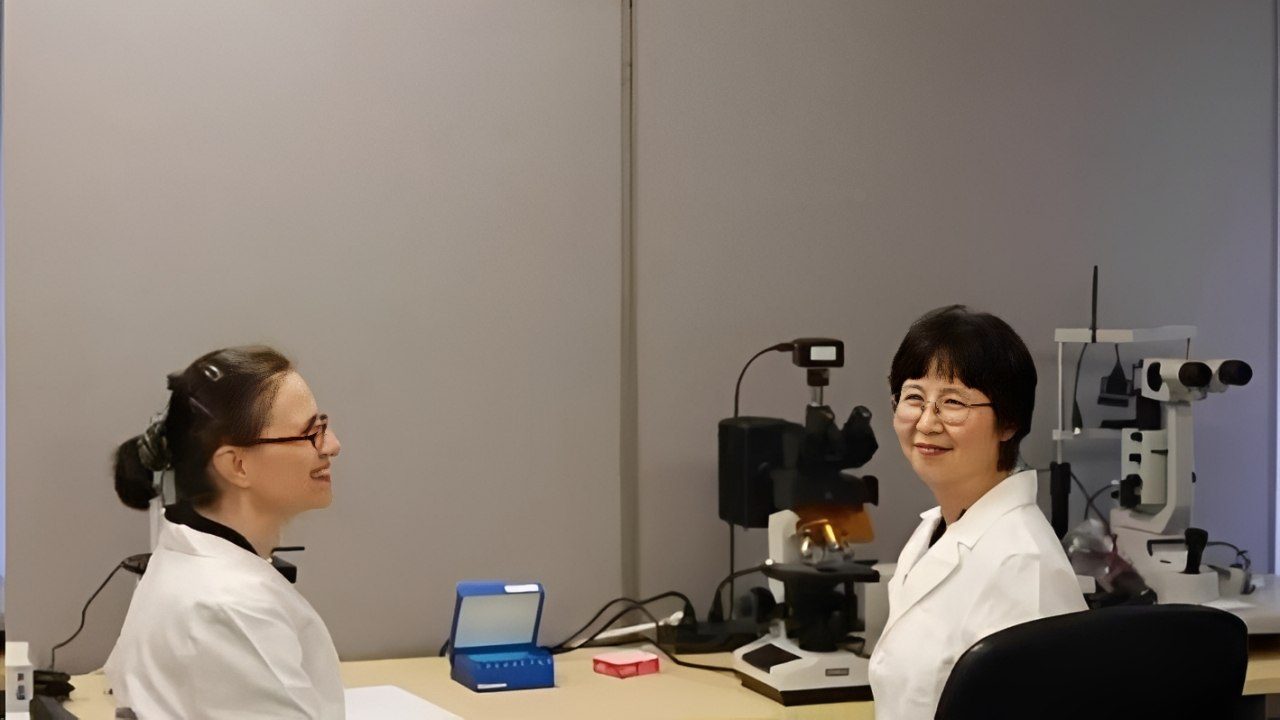
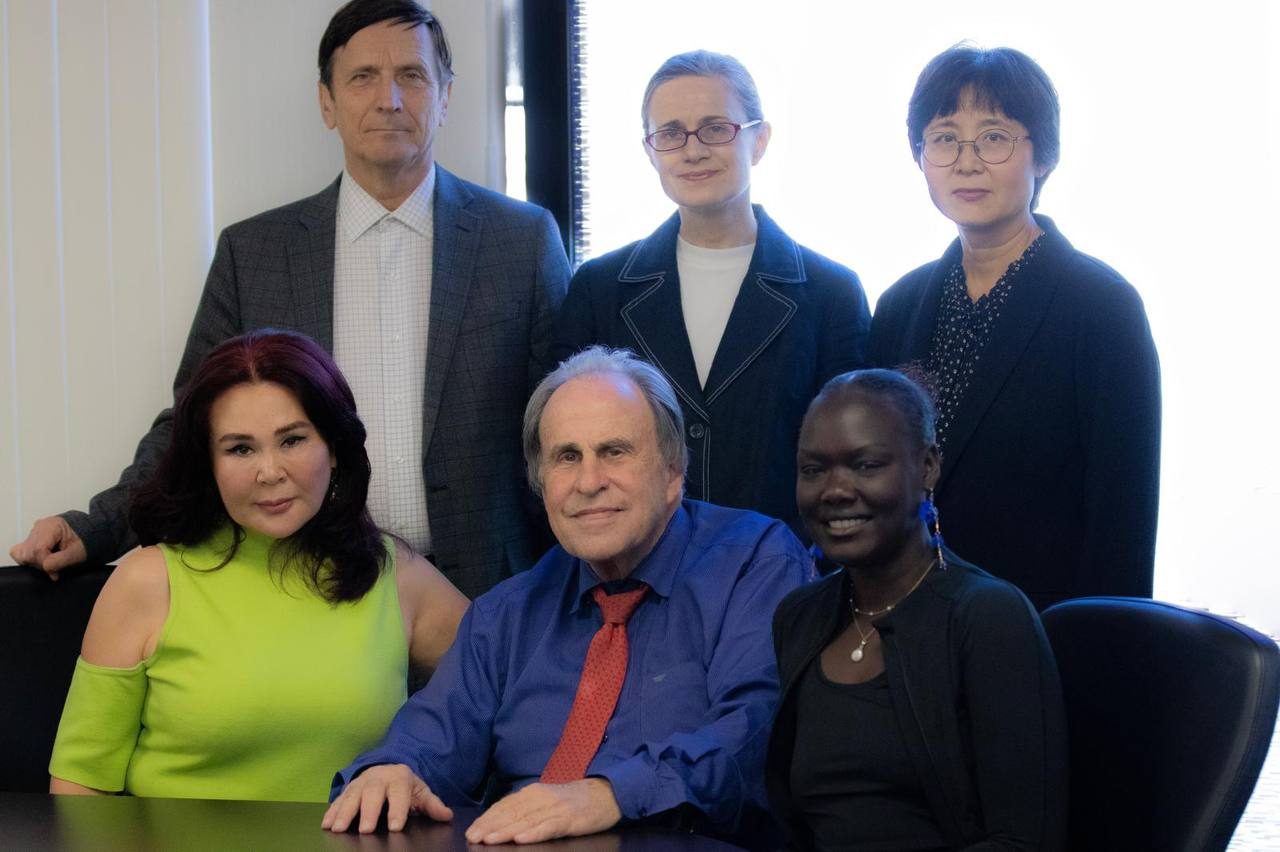
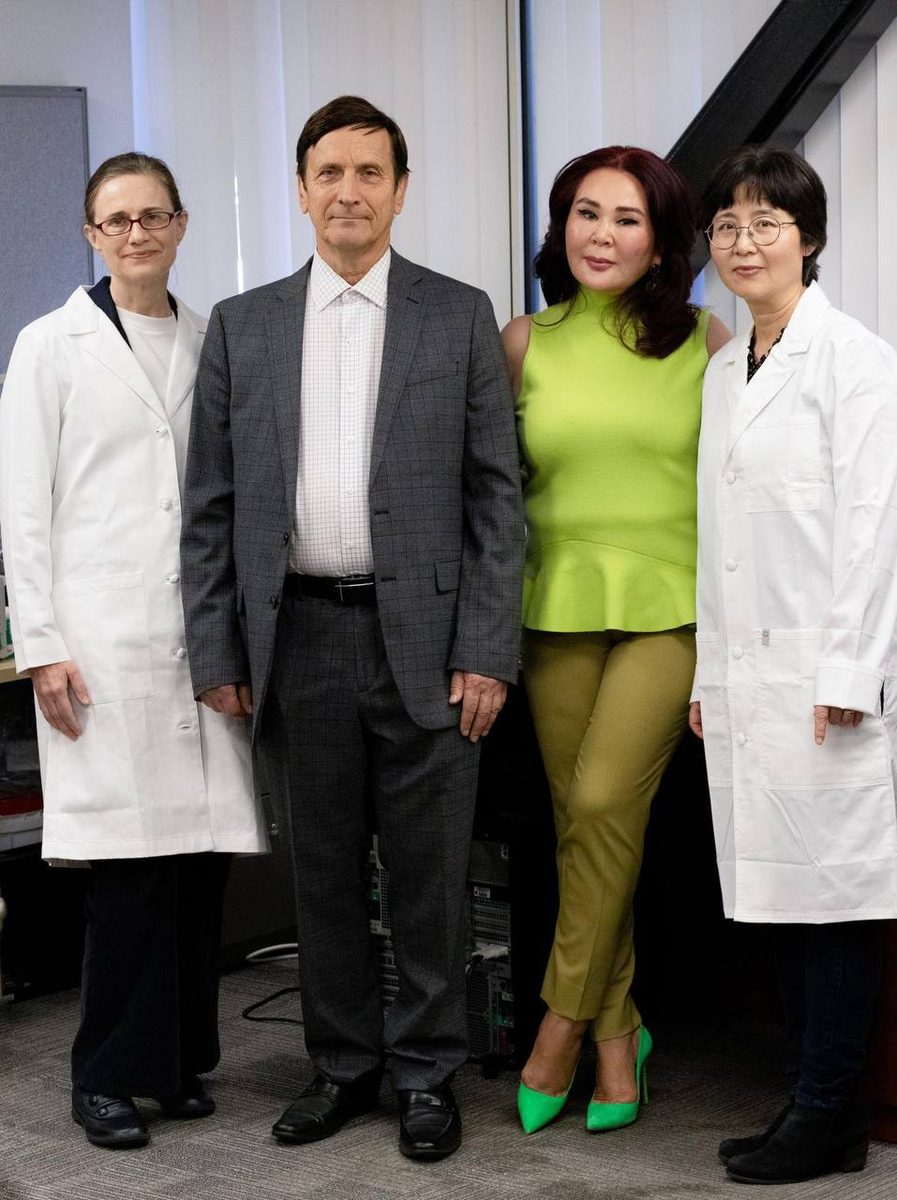
100+ years of combined experience. Scientists capable of taking science from lab to clinic.
01 · Problem
Aging is a systemic process.
Aging affects cells, tissues, organs and the body as a whole. Modern pharmacology mostly treats
age-related diseases one by one, but does not remove the overall age-related shift of tissues. Trying to
target several lines of age-related pathology at once increases the complexity of therapy and compounds the risks of side effects.
Cell therapies are potentially closer to the body's natural repair mechanisms, but existing approaches
hit three barriers — and the effect remains limited.
01
Age of one's own cells
Autologous cells carry the patient's age burden — their regenerative potential is limited from the start.
02
Immunology of foreign cells
Foreign (allogeneic) cells are recognized and rejected by the immune system — no durable effect.
03
Oncogenic risk of iPSC / ESC
Classic pluripotent technologies carry the risk of teratomas — the main barrier of the whole field.
AgeReset Bio develops autologous (own) cells obtained from an aged organism
without Yamanaka factors — without the classic iPSC reprogramming pathway.
The platform's key testable hypothesis — absence of teratoma behavior while retaining pluripotent potential.
01
Autologous
The patient's own — material is obtained from their own organism.
02
Functionally young
By assumed biological state — a young cellular reserve.
03
Universal
Pluripotent potential: the ability to give rise to derivatives of all tissues.
04
Safe
By the method of acquisition — without the oncogenic pathway of classic technologies.
03 · The DPC platform
What is DPC.
Definition
We named the cells we obtained DPC — Dormant Pluripotent Cells.
Unlike other types of pluripotent cells — iPSC and ESC — they are in a state of
low spontaneous proliferation (division).
Main scientific hypothesis
If DPC truly combine autologous origin, universal pluripotent potential, a functionally young
state and the absence of teratoma behavior — they can become the basis of a platform for
safe cellular renewal of aged tissues.
04 · Why now
The technology is leaving the lab.
The first step from hypothesis to laboratory confirmation has already been taken.
The team learned to obtain DPC in its own laboratory and formed the nearest testable plan
of evidence for safety, universality and functionality.
Nearest value inflection
The key experiment tests the main risk of the entire pluripotent-cell field — teratoma formation.
If DPC confirm pluripotency and at the same time do not form teratomas where control iPSC or ESC
should demonstrate teratoma potential — this will create the basis for a new direction in cell rejuvenation technologies.
05 · What's already done
From cancer to rejuvenation.
A sequential research program since 2019.
2019 — 2023
Cancer studied as incomplete rejuvenation
The team explored non-standard approaches to treating various cancers in the paradigm
"cancer — an unfinished attempt of the body to rejuvenate," and raised about $1M of investment.
Concept
Pluripotency without oncogenic risk
A scientific concept was put forward: full rejuvenation is impossible without a stage of pluripotency
with oncogenic risks switched off.
2024 — 2025
Young conditions for aged cells
The team researched ways to create young conditions for the cells of an aged organism.
Two patents were obtained for products based on the secretome of stem cells from various sources.
Laboratory
DPC obtained twice
In our own laboratory, DPC were obtained twice from an aged team member,
without Yamanaka factors. Their signs of pluripotency were shown in vitro.
06 · Success criteria
What the nearest experiment tests.
01
Pluripotency
By the standard protocol: the ability to differentiate into derivatives of all three germ layers.
02
Safety
DPC do not form teratomas by the standard protocol in an immunodeficient mouse model — unlike iPSC / ESC.
03
Reproducibility
Quality control and karyotypic genomic stability — assessment of chromosome structure and number.
04
Rejuvenation effects
Functional, phenotypic and laboratory metrics in long-lived mice versus control.
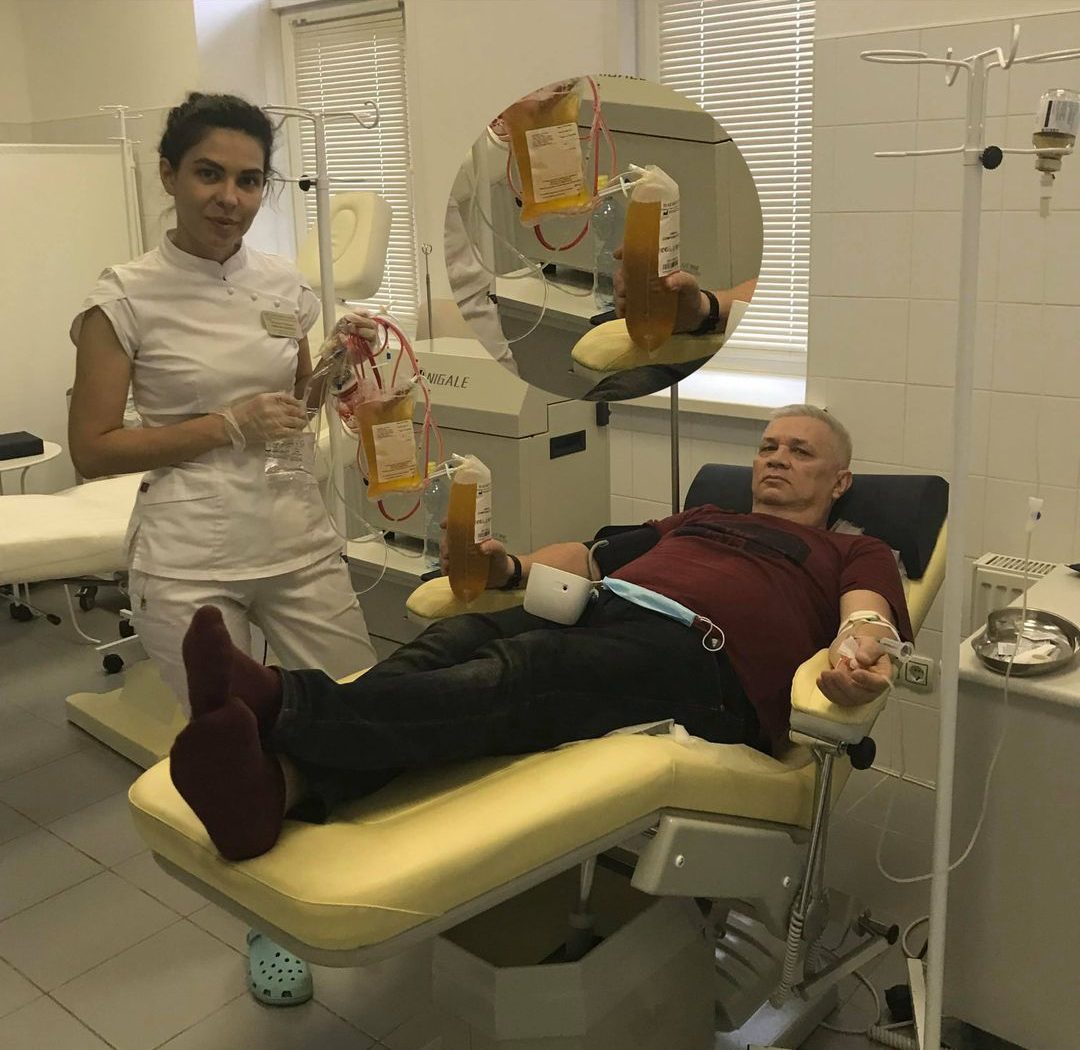
DPC combined with plasmapheresis and young exosomes — a platform of cell technologies
capable not only of improving health in old age, but of a testable increase in the
maximum length of healthy life.
From confirming DPC properties to a clinical program, personal cell banks, a partner network
and long-term automation of individual cell therapy.
Current stage
Preclinical research
We show the safety and viability of DPC technology, fundamentally different from other cell technologies. The first bridge from theory to experimental results in the field of rejuvenation.
02
Extended preclinical stage
Safety, expansion, storage, dosing, routes of administration of DPC. Criteria for the body's response. Lifespan control, transcriptomic and epigenomic clocks. Preparing the preclinical package for the clinic. Patent coverage.
03
Clinical study
Transition to medical validation of the platform in humans.
04
Data platform
De-identified data on biomarkers, safety, procedure frequency and individual response.
05
Controlled clinical access
Procedures in jurisdictions where they are legally permitted, with medical supervision and biomarker collection. The basis of personalized therapy.
06
Personal DPC bank
Creation, quality control, cryostorage and preparation of individual doses.
07
Partner network. Scaling
Granting clinics and cell laboratories the right to work under AgeReset Bio protocols.
08
Long-term peak of the platform
Personalized cell automats and family mini-banks after clinical and regulatory validation.
08 · Investors
Not a procedure — an infrastructure.
If DPC confirm pluripotency without teratomas — the company gains the basis for a new class
of cell technologies for radical rejuvenation.
AgeReset Bio is building not a single procedure but an infrastructure of cellular rejuvenation:
from the patient's own DPC bank and regularly repeated interventions to a licensed clinical network
and future automation.
Not a single business model, but a platform with several monetization stages that switch on as risks are removed.
01
Preclinical
A scientific-investment model: the company proves safety, the absence of teratoma risk, DPC reproducibility and first efficacy metrics. The main value — growth of company value after each proven stage.
02
Clinical studies
Regulated access for volunteers in permitted jurisdictions — with informed consent, medical supervision, adverse-event registration and biomarker collection.
03
Patient DPC bank
A patient creates their own DPC bank once, then uses it every 6–12 months. Revenue: initial acquisition, quality control, cryostorage, subscription, dose preparation, repeat procedures, monitoring.
04
Partner network
Granting clinics and laboratories the right to work under the protocol — scalable infrastructure. Revenue: licensing, training, certification, quality-control standards, royalties, lab audits.
05
Cell automats and family mini-banks
The long-term peak. After standardization and regulatory clearance — personalized automated systems. Revenue: device sale/lease, consumables, service, software, remote quality control, protocol updates.
The long-term goal — to make cellular rejuvenation an accessible, manageable, repeatable and scalable medical infrastructure.
09 · Company & team
At the heart of global biotech.
AgeReset Bio is based in San Diego, California — one of the world's largest biotechnology hubs.
The company was founded in 2026 to develop a technology capable of extending the maximum healthy
lifespan beyond existing biological limits.
The team holds a concept of aging, publications, patents and hands-on experience in stem-cell technologies,
clinical cell processes and translational laboratory research.
Eugene Baranov
CEO
25+ years in stem-cell biology, exosome technology, anti-aging therapy and cancer research. Former VP of Global Research at Stemedica Cell Technologies.
More
A distinguished Scientific Development executive with over 25 years of expertise in stem cell biology, exosome technology, anti-aging, and cancer research. Directed clinical and preclinical programs for over 300 patients across multiple indications.
Vadim Stepanov
CMO
Clinical lead. Stem-cell and plasmapheresis trials, clinic management. 30+ years studying the mechanisms of aging.
Gordana Olbina, Ph.D.
Head of Laboratory
Ex-Intrinsic Life Sciences. CLIA/CAP launches, $5M of clinical projects. 20+ publications.
More
Director of Laboratory Operations and Senior Scientist. A distinguished molecular biologist with over 20 years of expertise in high-complexity diagnostic assay development, regulatory compliance, and laboratory management. Former Director of Laboratory Operations at Intrinsic Life Sciences, where she oversaw global clinical testing projects generating $5M in revenue and led the facility to achieve CLIA certification and CAP accreditation.
Key qualifications: regulatory and operational leadership (CAP, ICH, GCLP); assay innovation and validation (high-complexity ELISA tests, biomarker assays with improved sensitivity and specificity); management of multi-million-dollar clinical trial projects; expertise in proteomics, mammalian cell culture and molecular biology. 20+ scientific publications.
Hui Ma, Ph.D.
Senior Scientist
UC San Diego · Salk · Max Planck. Publications in Cell, PNAS, EMBO J. Lifespan-extension patent.
More
Senior Research Scientist and Project Director. A distinguished molecular cell biologist with over 25 years of expertise in oncology drug discovery, stem cell biology and the biology of aging. Former Postdoctoral Fellow at The Salk Institute and Scientist at the Max Planck Institute; led research on protein phosphatases in glucose signaling and pioneered optogenetic control of Wnt signaling in organoids.
Co-inventor of a Salk Institute patent (WO/2006/012304) on increasing life span through SMEK modulation. Ph.D. in Molecular Genetics & Signal Transduction (UC San Diego). Publications in Cell, PNAS and EMBO J.
Robert M. Hoffman
Scientific Mentor
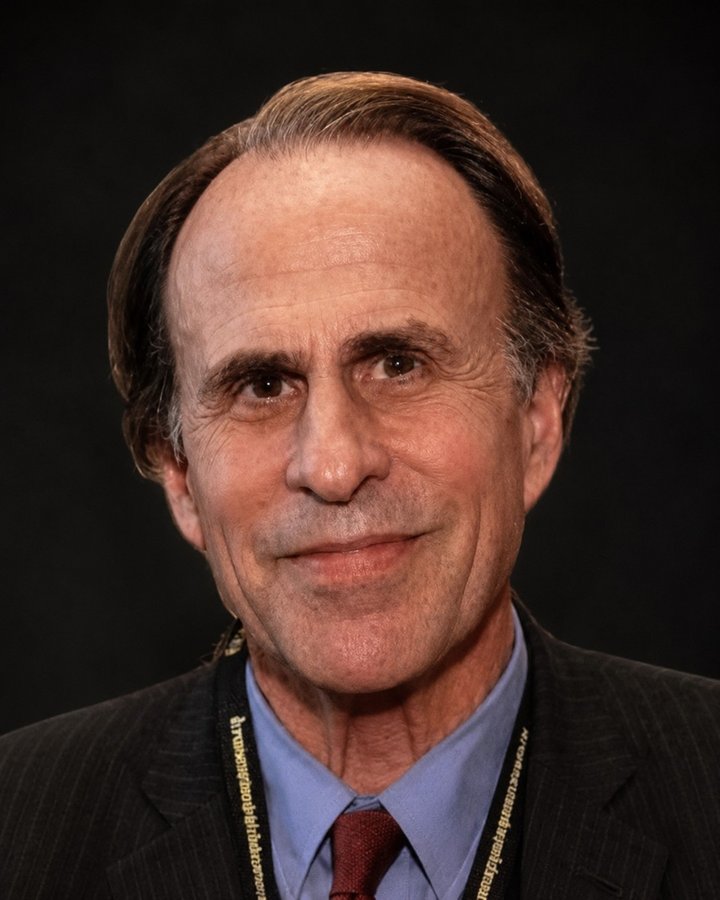
Best known for discovering the "Hoffman effect." Professor of Surgery at UC San Diego, founder of AntiCancer, Inc. Researcher of the methionine dependence of cancer cells and fluorescent imaging models; over 1,200 scientific publications.
10 · Terms in plain language
The essentials.
DPC
Dormant Pluripotent Cells.
iPSC
Induced pluripotent stem cells.
ESC
Embryonic stem cells.
Teratoma
A tumor formation — the main risk of classic pluripotent cells.
Pluripotency
The ability of a cell to give rise to derivatives of all three germ layers and specialize into every cell type of the body.
11 · Contact
AgeReset Bio is open to conversations with investors, clinical partners, cell laboratories and scientific organizations interested in advancing safe, personalized cell rejuvenation technologies.